Investing in Custom Metal Gates is about much more than adding an attractive entrance to a property. A well-designed gate enhances security, improves privacy, increases curb appeal, and contributes to the overall value of a home or commercial space. However, one of the first questions property owners ask before beginning a project is, “How much will a custom metal gate cost?” While there is no universal answer, understanding the factors that influence pricing makes it much easier to establish a realistic budget and make informed decisions throughout the planning process.
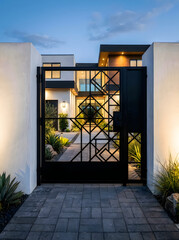
Unlike prefabricated options, custom metal gates are designed to meet the specific dimensions, style preferences, and functional requirements of a property. This level of customization naturally affects the final investment because every project is unique. From material selection and gate size to decorative details and automation features, numerous variables contribute to the total cost. Rather than focusing solely on the initial price, it is helpful to consider the long-term value that a quality gate provides through durability, security, and reduced maintenance.
The first and often most significant factor affecting custom metal gate cost is the size of the gate itself. Larger gates require more raw materials, additional structural reinforcement, and longer fabrication times than smaller installations. Wide driveway gates, double-entry designs, and oversized commercial gates naturally demand greater resources during manufacturing and installation. Even seemingly small increases in width or height can significantly impact material usage and labor requirements, making accurate measurements an essential part of the planning process.
Material choice also plays a major role in determining the overall project budget. Different metals offer varying levels of strength, durability, appearance, and maintenance requirements. Some materials provide exceptional resistance to weather and corrosion, while others prioritize decorative appeal or affordability. Selecting the right material involves balancing performance expectations with budget considerations rather than simply choosing the least expensive option. Investing in high-quality materials often results in fewer repairs, longer service life, and greater satisfaction over time.
Design complexity is another important contributor to pricing. A clean, minimalist gate generally requires less fabrication time than an elaborate design featuring decorative scrollwork, intricate geometric patterns, ornamental accents, or customized artistic details. Every additional design element increases the amount of cutting, welding, shaping, finishing, and quality inspection involved during production. While decorative features create a distinctive appearance, they also require skilled craftsmanship that influences the final cost.
Customization extends beyond visual design. Many property owners require gates that accommodate unique site conditions, sloped driveways, irregular openings, or architectural features. These specialized requirements often involve additional engineering and fabrication work to ensure proper fit and reliable operation. Because no two custom projects are exactly alike, personalized design solutions naturally contribute to pricing differences from one installation to another.
Another major factor affecting custom metal gate cost is whether the gate is manually operated or fully automated. Automated gate systems offer exceptional convenience, especially for larger properties or frequently used entrances. However, automation introduces additional expenses related to motors, control systems, sensors, electrical components, safety mechanisms, and professional installation. While these features increase the initial investment, many property owners consider the added convenience and enhanced security well worth the cost.
Automation options continue to evolve with modern technology. Many systems now integrate with remote controls, keypad entry, smartphone access, intercoms, and other smart security features. These advanced capabilities provide greater flexibility and ease of use but also influence the overall project budget. Selecting only the features that genuinely improve daily functionality helps prevent unnecessary spending while creating a system that meets practical needs.
The finishing process also has a noticeable impact on pricing. Protective coatings improve durability by helping the gate resist corrosion, moisture, sunlight, and general environmental wear. Depending on the desired appearance, finishing may involve painting, powder coating, specialized protective treatments, or decorative finishes. High-quality finishes often require additional preparation and curing processes, increasing production costs while significantly extending the lifespan of the gate.
Installation conditions are frequently overlooked during budgeting, yet they can substantially influence total project expenses. Every property presents different challenges that affect labor requirements. Uneven terrain, limited equipment access, existing structures, utility lines, drainage concerns, and foundation preparation may all require additional work before installation can begin. Proper site evaluation during the planning stage helps identify these factors early, reducing the likelihood of unexpected costs later in the project.
The type of gate selected also influences pricing. Swing gates and sliding gates each have unique structural and installation requirements. The most appropriate choice depends on available space, property layout, traffic patterns, and user preferences. While one option may involve lower fabrication costs, the other may offer operational advantages that justify a higher investment depending on the property’s specific needs.
Hardware selection is another important consideration that directly affects both performance and budget. Hinges, rollers, latches, locks, tracks, guide systems, and mounting hardware all contribute to the gate’s reliability and longevity. High-quality components typically provide smoother operation and greater durability under frequent use. Although premium hardware may increase upfront costs, it often reduces maintenance requirements and extends the overall service life of the gate.
When planning a custom metal gate project, prioritize these key budgeting considerations:
- Focus on long-term durability by selecting quality materials and hardware that minimize future maintenance and replacement costs.
- Include installation, finishing, automation, and site preparation expenses in the overall budget rather than considering fabrication costs alone.
Looking at the complete project instead of only the purchase price helps establish realistic financial expectations and prevents costly surprises during construction.
Labor represents another major component of custom metal gates’ cost. Skilled fabrication requires precision cutting, welding, assembly, finishing, and careful quality control. Experienced craftsmen invest considerable time ensuring that every component aligns properly and functions smoothly. Installation also demands specialized knowledge to ensure structural stability, safe operation, and proper alignment. Choosing experienced professionals often results in better workmanship, improved longevity, and fewer problems after installation.
Project timelines may also influence overall costs. Standard scheduling generally allows adequate time for material sourcing, fabrication, finishing, and installation. However, projects requiring accelerated completion often involve additional labor scheduling, expedited material orders, or extended production hours. Planning well in advance allows greater flexibility and may help avoid unnecessary rush charges while giving more time for thoughtful design decisions.
Maintenance expectations should also be considered when evaluating project costs. A less expensive gate that requires frequent repairs, refinishing, or hardware replacement may ultimately cost more over its lifetime than a higher-quality installation requiring minimal upkeep. Evaluating lifetime ownership costs rather than focusing solely on initial pricing provides a more accurate understanding of overall value.
Property security requirements can also affect budgeting decisions. Some property owners prioritize decorative appearance, while others require enhanced security features such as reinforced frames, heavy-duty locking mechanisms, integrated access control systems, or specialized structural designs. Increased security typically requires stronger materials and more advanced engineering, which naturally contribute to higher project costs.
Climate exposure is another factor worth considering during planning. Gates installed in environments with frequent moisture, intense sunlight, or fluctuating temperatures benefit from materials and finishes specifically selected for long-term durability. Although weather-resistant finishes may involve a higher initial investment, they often reduce maintenance expenses and preserve the gate’s appearance for many years.
Another aspect that influences pricing is the level of customization desired. Fully personalized designs involving unique artwork, decorative patterns, monograms, laser-cut panels, or handcrafted details require additional design development and fabrication time. While these features create a distinctive entrance that reflects individual style, they also increase labor and production complexity compared to simpler gate designs.
Budgeting effectively begins with establishing clear priorities. Before requesting design estimates, property owners should identify which features matter most. Some may prioritize appearance, while others focus primarily on security, automation, or durability. Defining priorities early helps allocate available funds toward features that deliver the greatest long-term satisfaction while avoiding unnecessary upgrades that provide limited practical value.
As you prepare your project budget, keep these recommendations in mind:
- Reserve a contingency fund to address unexpected site conditions or project modifications that may arise during installation.
- Compare value rather than simply choosing the lowest price, considering craftsmanship, materials, warranties, and expected service life.
These practical budgeting habits create greater financial flexibility and contribute to a smoother remodeling or construction experience.
Communication throughout the planning process also plays an essential role in cost management. Clearly discussing design goals, measurements, material preferences, operational requirements, and budget expectations helps minimize misunderstandings that could lead to revisions later. Careful planning before fabrication begins reduces waste, improves efficiency, and keeps the project moving according to schedule.
Energy-efficient gate operators and smart technology continue to become increasingly popular additions to custom metal gates. While these features increase initial investment, they often provide improved convenience, security, and operational efficiency. Property owners should carefully evaluate whether advanced technology aligns with their daily needs and long-term expectations before including it in the project budget.
Another way to maximize value is by selecting timeless design elements instead of following short-lived design trends. Classic styles tend to complement a wider range of architectural designs and maintain their visual appeal over many years. A timeless gate design also contributes positively to property value by remaining attractive regardless of changing trends in exterior aesthetics.
It is equally important to think about future maintenance when making design decisions. Gates with simpler mechanical systems, durable finishes, and quality construction often require less ongoing care than highly intricate installations with numerous moving parts. Reducing maintenance demands not only saves money over time but also helps preserve the gate’s appearance and functionality.
Ultimately, the cost of a custom metal gate depends on numerous interconnected factors rather than a single price point. Material selection, gate dimensions, customization, automation, hardware quality, finishing, site conditions, labor, and installation complexity all contribute to the final investment. Understanding these variables allows property owners to approach the project with realistic expectations and make informed decisions that balance budget with long-term value.
A thoughtfully planned custom metal gate is more than an entrance—it is a lasting investment in security, convenience, and visual appeal. By focusing on quality craftsmanship, practical functionality, and careful budgeting, property owners can create a gate that not only enhances the appearance of their property but also performs reliably for many years. Taking the time to understand what affects custom metal gate costs makes it easier to develop a budget that supports both immediate goals and long-term satisfaction, ensuring that the finished project delivers lasting value well beyond the initial installation.