
Water damage can happen when you least expect it, turning a comfortable home into a stressful environment almost overnight. Whether the cause is a plumbing issue, heavy rainfall, appliance malfunction, or another unexpected event, one of the first areas affected is often the carpet. Because carpet fibers, padding, and subflooring can absorb significant amounts of moisture, acting quickly is essential to minimize damage and restore a healthy indoor environment. While many people assume that simply allowing the carpet to dry will solve the problem, water damage often requires a much more thorough cleaning and restoration process.
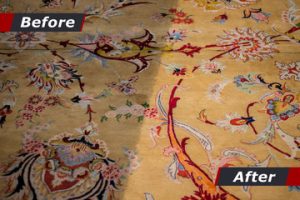
Understanding what to expect during carpet cleaning after water damage can help homeowners feel more prepared and confident when dealing with the situation. The process involves much more than removing visible water. It includes careful inspection, moisture detection, cleaning, sanitizing, drying, and evaluating whether portions of the carpet can be saved or need replacement. Every step is designed to restore the carpet as safely and effectively as possible while reducing the risk of long-term problems. Check out our Website to learn more.
Why Immediate Action Is So Important
The first few hours after water damage are often the most critical. Moisture quickly penetrates carpet fibers, padding, and even the flooring beneath. The longer water remains trapped within these materials, the greater the likelihood of permanent damage. Damp conditions also create an environment where unwanted microbial growth can develop, leading to unpleasant odors and potential indoor air quality concerns.
Quick action helps reduce the amount of water absorbed by the carpet and minimizes the chance of irreversible deterioration. Even if the carpet still appears relatively dry on the surface, moisture may remain hidden underneath, making professional evaluation especially important.
Prompt cleaning also helps preserve the carpet’s appearance. Delayed treatment can lead to discoloration, fiber separation, adhesive failure, and other issues that become more difficult and expensive to correct over time.
The Initial Inspection
Every successful carpet restoration project begins with a detailed inspection. Before cleaning starts, the condition of the carpet, padding, and surrounding materials must be carefully evaluated. This assessment determines how extensive the water damage is and whether the carpet can realistically be restored.
The inspection includes identifying the source of the water, measuring moisture levels, checking for visible damage, and determining how deeply the water has penetrated. The age and condition of the carpet are also considered because older materials may respond differently than newer installations.
Several important factors are usually evaluated during the inspection, including:
- The amount of water absorbed by the carpet and underlying materials.
- The overall condition of the carpet fibers, seams, padding, and subfloor.
This information helps establish the most effective cleaning and drying plan for the specific situation.
Understanding Different Types of Water Damage
Not all water damage is the same. The type of water involved influences the cleaning procedures and determines whether restoration is safe and practical.
Clean water generally originates from sources that do not initially contain significant contaminants. Although this type of water presents the lowest level of risk, prompt cleanup is still necessary because standing water can quickly become contaminated if left untreated.
Gray water contains higher levels of contaminants and may come from appliances or drainage systems. Because of the increased contamination, more extensive cleaning and sanitizing procedures are often required.
Black water presents the highest level of contamination and may contain harmful microorganisms or hazardous materials. In these situations, restoration decisions become more complex, and certain carpet materials may no longer be suitable for cleaning and reuse.
Understanding these categories helps homeowners appreciate why every water damage situation requires an individualized restoration approach.
Water Extraction Comes First
One of the first active steps in the restoration process is removing as much standing water as possible. Specialized extraction equipment removes large amounts of water from both the carpet surface and deeper layers before drying begins.
Efficient water extraction significantly shortens the overall drying time while reducing the amount of moisture trapped within the carpet system. Removing excess water early also helps minimize swelling, fiber distortion, and additional damage to surrounding materials.
Although extraction equipment removes substantial amounts of water, some moisture almost always remains within the carpet, padding, and subfloor. This is why additional drying procedures remain essential.
Evaluating the Carpet Padding
Many homeowners focus only on the visible carpet, but the padding beneath plays an equally important role in the restoration process. Carpet padding functions like a sponge, absorbing large amounts of water that may not be visible from above.
Depending on the extent of the damage, the padding may either be dried successfully or require replacement. In situations involving prolonged saturation or contaminated water, replacing the padding often provides the safest and most reliable solution.
Evaluating the condition of the padding helps determine whether complete restoration is possible or whether certain materials should be removed before the carpet is reinstalled.
Deep Cleaning the Carpet Fibers
After water extraction, the cleaning process begins. Water damage often leaves behind dirt, debris, residue, and contaminants that become embedded within the carpet fibers during flooding or leaks.
Professional cleaning methods remove these materials while helping restore the carpet’s appearance. Depending on the circumstances, various cleaning techniques may be used to loosen soil, remove stains, and improve the overall cleanliness of the carpet.
Deep cleaning serves several important purposes:
- It removes contaminants that ordinary vacuuming cannot eliminate.
- It improves the appearance, cleanliness, and freshness of the carpet after water exposure.
This stage helps restore the carpet while preparing it for the drying and finishing process.
Sanitizing and Deodorizing
Water damage often introduces odors that cannot be eliminated simply by allowing the carpet to dry. Moisture trapped within fibers, padding, or subfloor materials can create lingering smells that become increasingly noticeable over time.
Sanitizing treatments help reduce microbial contamination while deodorizing products target unpleasant odors caused by prolonged moisture exposure. These treatments are selected based on the type of water involved and the condition of the affected materials.
Rather than masking odors with fragrances, effective deodorization focuses on removing the underlying causes of unwanted smells. This creates a cleaner, healthier indoor environment after restoration.
Drying the Carpet Thoroughly
Drying is one of the most important phases of carpet restoration. Even after extraction and cleaning, hidden moisture may remain within the carpet system. Controlled drying helps eliminate this moisture before it creates additional problems.
Specialized air movement and moisture-control equipment accelerate evaporation while encouraging consistent drying throughout the affected area. Moisture levels are monitored regularly to verify that drying progresses as expected.
The drying process cannot be rushed. Although the carpet surface may feel dry relatively quickly, deeper materials often require additional time before moisture levels return to acceptable ranges.
Proper drying greatly reduces the risk of future odor problems, fiber deterioration, and hidden moisture damage.
Monitoring Moisture Levels
Successful restoration depends on more than visual appearance alone. Moisture meters and other detection equipment help confirm that both the carpet and underlying materials have dried completely.
Hidden moisture often remains beneath the carpet even after the surface appears dry. Without careful monitoring, trapped moisture may continue affecting the flooring system long after restoration appears complete.
Regular moisture testing allows technicians to determine when drying has been successfully completed and helps prevent future complications related to residual moisture.
Addressing Stains Caused by Water Damage
Water damage sometimes leaves behind staining that extends beyond ordinary dirt accumulation. Minerals, rust, wood tannins, adhesives, and other materials may create discoloration that requires specialized stain treatment.
The success of stain removal depends on several factors, including how long the stain has been present, the source of the water, and the carpet material itself. While many stains respond well to professional treatment, some permanent discoloration may remain if the carpet experienced severe damage before restoration began.
Early cleaning generally improves the likelihood of successful stain removal.
When Carpet Replacement May Be Necessary
Although many carpets can be restored successfully, there are situations where replacement becomes the more practical option. Extensive contamination, prolonged saturation, severe deterioration, or significant structural damage may make restoration unsafe or economically impractical.
Carpet replacement may also be recommended when odors persist despite cleaning or when moisture has caused irreversible damage to the carpet backing or padding.
Understanding that replacement is sometimes necessary helps homeowners make informed decisions based on safety rather than appearance alone.
Preventing Future Water Damage
Once restoration has been completed, taking preventive measures can help reduce the likelihood of future water-related carpet damage. Routine maintenance and regular inspections of household systems often identify potential problems before they become major emergencies.
Helpful preventive practices include:
- Inspect plumbing fixtures and appliances regularly for leaks.
- Address drainage concerns and moisture problems promptly before they spread.
Simple maintenance habits can significantly reduce the risk of future carpet restoration projects while helping preserve the condition of flooring throughout the home.
Caring for Your Carpet After Restoration
Following water damage restoration, ongoing care helps maintain the carpet’s appearance and performance. Regular vacuuming removes dirt before it becomes deeply embedded, while prompt attention to spills prevents additional staining.
Homeowners should also monitor the restored area during the weeks following cleanup. Any unusual odors, dampness, or discoloration should be investigated promptly to ensure that hidden moisture has not returned.
Maintaining proper indoor humidity also contributes to healthier carpet conditions by discouraging excess moisture accumulation throughout the home.
Carpet cleaning after water damage involves far more than simply removing visible water from the surface. It is a comprehensive restoration process that includes inspection, water extraction, moisture detection, deep cleaning, sanitizing, deodorizing, controlled drying, and careful monitoring to ensure the carpet is safe, clean, and ready for continued use. Every stage plays an important role in protecting both the flooring and the indoor environment from the long-term effects of excess moisture.
Knowing what to expect during the restoration process allows homeowners to make informed decisions while reducing unnecessary stress during an already challenging situation. Acting quickly, understanding the extent of the damage, and following a thorough cleaning and drying process greatly improve the chances of restoring damaged carpets successfully. With the right approach and ongoing preventive maintenance, homeowners can protect their flooring investment and enjoy a cleaner, healthier living space for years to come.