
Cabinets are among the most noticeable features in any kitchen, bathroom, laundry room, or storage area. They provide essential organization while also contributing significantly to the overall appearance of the space. Over time, however, daily use can leave cabinets scratched, faded, chipped, stained, or simply outdated. Years of exposure to moisture, grease, sunlight, and constant handling often cause cabinet surfaces to lose their original beauty. Fortunately, replacing cabinets is not always necessary. Cabinet refinishing has become an increasingly popular solution for homeowners who want to restore the appearance of damaged or worn cabinets without the cost and disruption of a complete replacement.
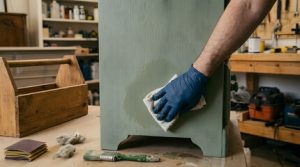
San Jose Cabinet Refinishing process focuses on renewing existing cabinet surfaces while preserving the original cabinet structure. When completed correctly, refinishing can dramatically improve the appearance of cabinets, extend their lifespan, and transform an entire room. Understanding each step of the refinishing process helps homeowners know what to expect and appreciate the craftsmanship involved in producing durable, attractive results.
Understanding Cabinet Refinishing
Cabinet refinishing involves restoring the exterior surfaces of existing cabinets through careful preparation, repairs, sanding, staining or painting, and protective finishing. Unlike replacing cabinets, refinishing allows the original cabinet boxes and doors to remain in place while giving them an entirely refreshed appearance.
This process is particularly effective when cabinet frames remain structurally sound but show cosmetic wear. Surface imperfections such as scratches, fading, discoloration, minor dents, peeling finishes, and outdated colors can often be corrected through refinishing. Instead of starting over with new cabinetry, refinishing breathes new life into cabinets that still have many years of functional service remaining.
Many homeowners choose refinishing because it offers a practical balance between aesthetics and affordability. It allows existing layouts to remain unchanged while significantly improving visual appeal.
Evaluating the Condition of the Cabinets
Every successful cabinet refinishing project begins with a careful inspection. Before any work starts, each cabinet must be evaluated to determine whether refinishing is appropriate or whether certain components require repairs before the process continues.
Inspecting cabinets helps identify problems such as loose joints, water damage, swollen wood, cracked panels, peeling veneer, or broken hardware. Cosmetic issues are usually easy to address during refinishing, but structural damage may require additional restoration work.
Some common conditions evaluated during inspection include:
- Surface scratches, dents, and worn finishes.
- Loose hinges, damaged doors, or moisture-related deterioration.
This initial assessment helps establish the scope of work while preventing unexpected issues later in the project.
Removing Cabinet Doors and Hardware
One of the first physical steps in cabinet refinishing involves removing all cabinet doors, drawer fronts, hinges, handles, knobs, and other hardware. Separating these components allows each piece to receive consistent attention throughout the refinishing process.
Removing the hardware also prevents accidental paint buildup or stain accumulation around hinges and handles. Every door and drawer can be labeled to ensure everything returns to its original location during reassembly. This organized approach saves time while maintaining proper cabinet alignment.
With doors removed, every surface becomes much easier to access, resulting in a cleaner, smoother finish.
Thorough Cleaning Is Essential
Cabinets accumulate years of grease, cooking residue, fingerprints, dust, soap residue, and household grime. These contaminants can interfere with proper adhesion of primers, stains, and protective coatings.
Therefore, cleaning is one of the most important stages of cabinet refinishing. Specialized cleaning solutions remove oils and stubborn buildup without damaging the wood beneath. Areas around handles, corners, decorative moldings, and cabinet edges often require extra attention because dirt tends to accumulate there.
Skipping or rushing the cleaning stage may cause peeling, bubbling, or uneven finishes later. Proper preparation creates the foundation for long-lasting refinishing results.
Repairing Surface Damage
Once cabinets are clean, visible damage can be repaired. Small dents, gouges, nail holes, and scratches are typically filled using appropriate wood repair materials. Cracks may be stabilized before sanding begins.
Repairing imperfections before refinishing ensures that flaws do not remain visible beneath the new finish. Depending on the condition of the cabinets, technicians may also reinforce loose joints or repair minor structural issues that affect cabinet stability.
The goal is to create surfaces that appear smooth, consistent, and ready for finishing. Proper repairs often make aging cabinets look surprisingly close to new.
Sanding Creates the Perfect Surface
Sanding is perhaps the most recognizable part of cabinet refinishing. Existing finishes must be properly prepared so that new coatings adhere securely.
Rather than aggressively removing every layer of finish, sanding usually focuses on smoothing imperfections, eliminating gloss, feathering damaged areas, and creating an ideal bonding surface. Multiple sanding stages may be used, beginning with coarser abrasives and progressing toward finer grits for a smooth final texture.
Careful sanding also helps eliminate minor scratches, uneven finishes, and small surface defects that could become noticeable after painting or staining.
Dust generated during sanding is thoroughly removed before moving to the next step. Even small dust particles can affect the quality of the final finish if left behind.
Choosing Between Paint and Stain
One of the biggest decisions during cabinet refinishing is selecting the final appearance. Some homeowners prefer a painted finish for a clean, modern look, while others choose stain to highlight the natural beauty of the wood grain.
Paint provides extensive color flexibility and easily covers previous finishes. It works especially well for cabinets with cosmetic imperfections because it creates a uniform appearance across every surface.
Stain, on the other hand, enhances the wood’s natural texture and character. It allows grain patterns to remain visible while providing a warm, timeless appearance that complements many interior styles.
The ideal choice depends on personal preferences, cabinet material, and the overall design goals of the room.
Applying Primer When Needed
For painted cabinets, primer plays a vital role in achieving professional results. Primer improves adhesion, blocks stains from bleeding through, and promotes consistent color coverage.
Applying primer also helps create a smooth surface that allows the final paint coats to cure evenly. Cabinets that have previously been painted, stained, or exposed to moisture particularly benefit from high-quality priming.
After the primer dries, light sanding may be performed once again to remove minor imperfections before applying the finish coats.
Applying the New Finish
With preparation complete, the refinishing process reaches its most visually rewarding stage. Paint or stain is carefully applied using techniques designed to produce consistent coverage while minimizing brush marks, streaks, or uneven texture.
Several thin coats generally produce better results than one heavy application. Each coat is allowed sufficient drying time before additional layers are added. This gradual process improves durability while creating a smooth, professional appearance.
Attention to detail becomes especially important around edges, corners, recessed panels, decorative trim, and cabinet frames. Even coverage across every component contributes to the polished look that homeowners expect from cabinet refinishing.
Protecting the Surface with a Durable Topcoat
After paint or stain has fully cured, protective coatings help preserve the renewed appearance of the cabinets. These clear finishes provide resistance against scratches, moisture, cleaning chemicals, stains, and everyday wear.
The protective topcoat serves several important purposes:
- It increases durability for high-use cabinet surfaces.
- It helps preserve color, sheen, and overall appearance over time.
Because cabinets experience constant contact from hands, cookware, cleaning products, and daily activities, this protective layer significantly extends the lifespan of the refinished surface.
Reinstalling Doors and Hardware
Once the finish has completely cured, cabinet doors, drawers, hinges, and hardware are carefully reinstalled. Proper alignment ensures doors close evenly, drawers operate smoothly, and the finished cabinets maintain a professional appearance.
Some homeowners choose to replace hardware during this stage to complement the updated cabinet finish. Even simple changes to handles and knobs can further enhance the refreshed appearance of the cabinetry.
Final adjustments may be made to improve door spacing, hinge alignment, and drawer operation before the project is considered complete.
Benefits of Refinishing Instead of Replacing
Cabinet refinishing offers numerous advantages that continue to make it a preferred remodeling solution for many homeowners. While replacement has its place, refinishing provides impressive improvements with fewer disruptions.
Some of the most significant benefits include:
- Lower overall project costs compared to complete cabinet replacement.
- Reduced construction time and less disruption to daily routines.
In addition, refinishing preserves functional cabinet layouts that already work well while giving interiors a fresh, updated appearance. Many homeowners appreciate being able to transform their space without undergoing an extensive renovation.
Maintaining Newly Refinished Cabinets
Proper maintenance helps protect refinished cabinets for many years. Gentle cleaning practices and regular care preserve both appearance and durability.
Harsh chemicals, abrasive scrubbers, and excessive moisture should generally be avoided since they may gradually damage protective finishes. Instead, routine cleaning with soft cloths and mild cleaning products helps remove everyday dirt without affecting the finish.
Homeowners should also address spills promptly, especially around sinks and cooking areas where moisture exposure is greatest. Preventive care minimizes unnecessary wear and extends the life of the refinished surfaces.
When Cabinet Refinishing Is the Right Choice
Although refinishing is highly effective, it works best under certain conditions. Cabinets should remain structurally sound with solid frames and functional construction. Cosmetic wear is ideal for refinishing, while extensive water damage, severe structural deterioration, or major layout changes may require different renovation solutions.
Cabinets made from quality materials often respond exceptionally well to refinishing because their underlying construction remains durable despite years of surface wear. For many homeowners, refinishing represents an excellent opportunity to modernize interiors while preserving existing cabinetry.
The process also supports more sustainable home improvement practices by extending the useful life of cabinets rather than sending functional materials to disposal.
The cabinet refinishing process offers an effective way to restore damaged or worn cabinets while preserving their original structure and functionality. Through careful inspection, thorough cleaning, detailed repairs, proper sanding, high-quality finishing, and protective coatings, aging cabinets can regain their beauty and continue serving homeowners for many years.
Rather than viewing worn cabinets as something that must be replaced, many homeowners are discovering the lasting value of refinishing. It delivers impressive visual improvements, extends the life of existing cabinetry, and refreshes the entire room without requiring a complete renovation. When performed with careful preparation and attention to detail, cabinet refinishing transforms tired cabinets into attractive focal points that enhance both the appearance and functionality of the home.